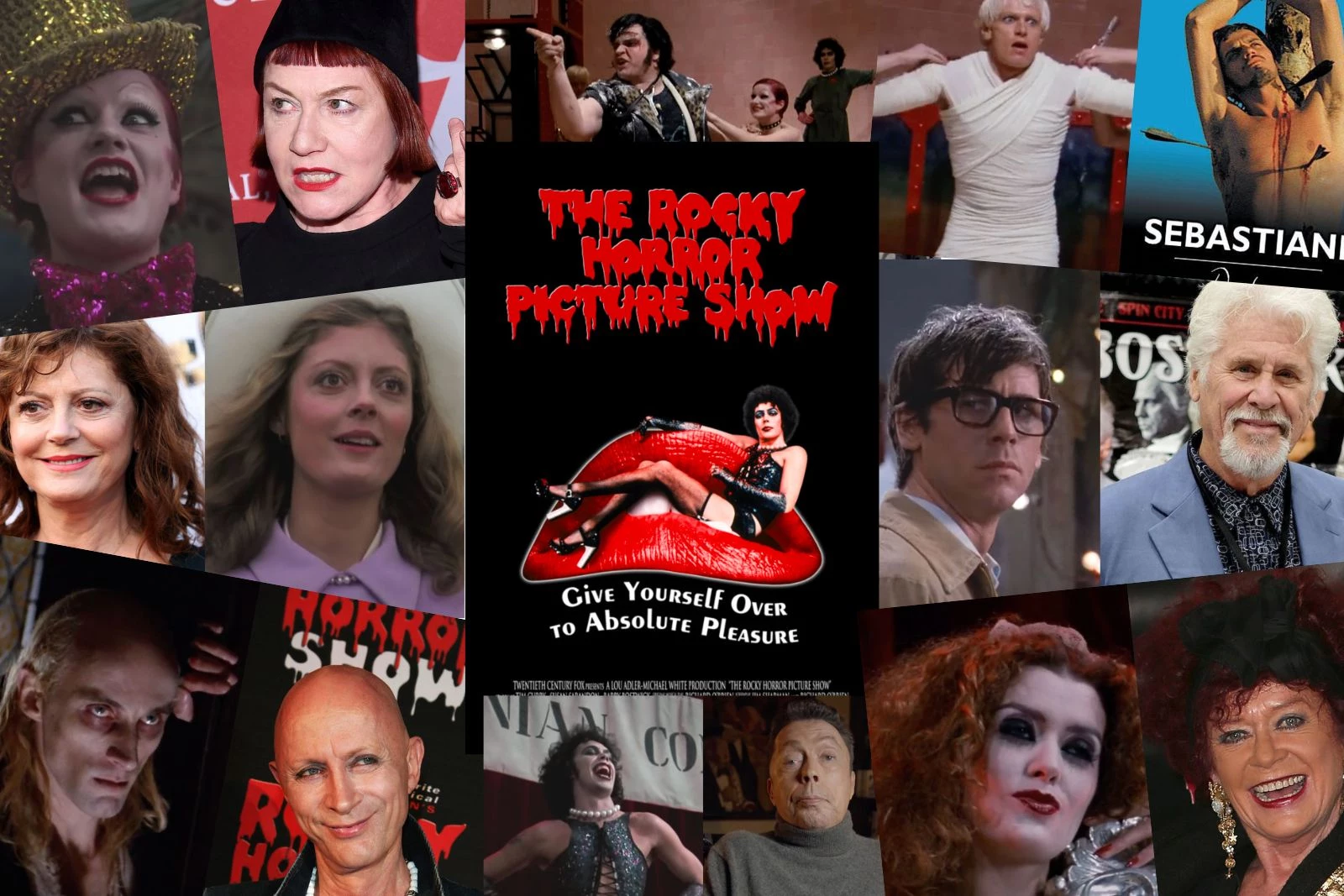
The Rocky Horror Picture Show is not just a film; it is a cultural phenomenon that has captivated audiences since its release in 1975. This independent musical comedy horror movie combined outrageous costumes, catchy music, and playful satire to create a cinematic experience unlike any other. Produced by Lou Adler and Michael White and directed by Jim Sharman, the film is an adaptation of the 1973 stage production The Rocky Horror Show, which was created by Richard O’Brien. The movie paid homage to classic science fiction and horror B movies from the 1930s to the early 1960s, blending humor, horror, and musical theater in a way that still resonates today. The cast of this film is as iconic as the movie itself, with standout performances that have left a lasting mark in entertainment history.
The Core Cast of Rocky Horror Picture Show
At the heart of the Rocky Horror Picture Show cast is Tim Curry, who made his film debut as the unforgettable Dr. Frank-N-Furter. Curry’s portrayal of the eccentric, flamboyant scientist is both daring and magnetic. His background in theater prepared him for this role, allowing him to blend over-the-top drama with a sense of charm and charisma. Curry trained in London’s theater scene and quickly became known for his ability to embody complex, unconventional characters. His performance in Rocky Horror would go on to define his career and inspire generations of actors and fans.
Susan Sarandon, already an emerging talent in Hollywood, played Janet Weiss, a sweet, naive young woman who finds herself caught up in the strange and seductive world of Dr. Frank-N-Furter. Sarandon’s early life in New York and her studies in acting gave her the foundation to handle a role that required innocence, vulnerability, and comedic timing. Her career would later skyrocket, earning her multiple accolades including an Academy Award for Best Actress. Janet’s journey in the film is both humorous and compelling, making her one of the most relatable characters amidst the eccentric chaos.
Barry Bostwick portrayed Brad Majors, Janet’s fiancé, a character whose stiff, uptight demeanor contrasts perfectly with the film’s wild and risqué environment. Bostwick was trained in theater and had a talent for combining sincerity with comedic awkwardness, which made Brad’s reactions to the bizarre events both believable and entertaining. His background in musical theater also allowed him to handle the singing requirements of the role with ease.
Richard O’Brien, the creator of the original stage musical, also plays Riff Raff, the creepy and loyal servant to Dr. Frank-N-Furter. O’Brien’s performance is a combination of theatrical finesse and subtle menace. His understanding of the story from its inception allowed him to bring Riff Raff to life in a way that connected both the film and stage versions seamlessly. His dual role as creator and actor is part of what gives the film its unique authenticity and depth.
Supporting Cast and Their Impact
The supporting cast added even more layers to the film’s eccentric world. Patricia Quinn played Magenta, the domestic servant who, along with Riff Raff, helps set the stage for many of the film’s iconic scenes. Quinn’s theater experience helped her maintain the balance between horror and humor, making Magenta both alluring and slightly terrifying.
Nell Campbell, who played Columbia, brought infectious energy and charm to her character. Columbia’s character is a former groupie with an exuberant personality, and Campbell’s background as a singer and performer allowed her to deliver a lively and unforgettable performance.
Charles Gray served as the narrator of the film, providing context and continuity in a world that often felt chaotic and surreal. Gray’s measured, elegant voice offered contrast to the film’s outrageous visuals, guiding the audience through the story with both wit and authority.
Together, this ensemble formed a unique and unforgettable cast whose chemistry helped cement the film’s enduring popularity. Many of the actors had appeared in the original stage productions at the Royal Court Theatre, Roxy Theatre, and Belasco Theatre, which helped preserve the authenticity and energy of the theatrical experience.
Early Life and Background of Key Cast Members
Tim Curry was born in 1946 in Grappenhall, Cheshire, England. From an early age, he showed an interest in performing and eventually attended the Birmingham School of Speech and Drama. His theater background, particularly in Shakespearean productions, gave him the skills to take on dramatic and eccentric roles. The role of Dr. Frank-N-Furter allowed him to combine his theatrical training with his flair for musical performance, creating a character that became instantly iconic.
Susan Sarandon was born in 1946 in New York City. Her parents encouraged creativity and intellectual curiosity, which helped shape her artistic path. Sarandon attended the Catholic University of America in Washington, D.C., where she studied acting. Her early career involved work in television and theater, but her breakout role came with Rocky Horror Picture Show, where she demonstrated her ability to navigate both dramatic and comedic elements.
Barry Bostwick, born in 1945 in San Mateo, California, also had a strong theatrical foundation. He studied acting in college and became involved in musical theater, which provided the training necessary to take on a role that demanded both singing and acting. Bostwick’s experience allowed him to portray Brad with a mix of awkwardness, charm, and vulnerability, making the character relatable to audiences.
Richard O’Brien, born in 1942 in England, had a unique path that combined writing, acting, and performance art. His creation of The Rocky Horror Show in 1973 showcased his talents as a playwright and composer, blending camp, horror, and rock music into a single, memorable production. O’Brien’s insight into the story’s themes and characters ensured that the transition from stage to screen retained its energy and eccentricity.
Achievements and Legacy of the Cast
The achievements of the Rocky Horror Picture Show cast go far beyond the film itself. Tim Curry’s performance as Dr. Frank-N-Furter became a touchstone in LGBTQ+ culture, offering a portrayal that was bold, unapologetic, and groundbreaking for its time. Curry’s work inspired countless actors to embrace unconventional roles and brought visibility to characters that challenged societal norms.
Susan Sarandon’s portrayal of Janet demonstrated the range and versatility that would define her career. Her work in Rocky Horror showcased her ability to balance innocence with humor, a skill she carried into later performances in films like Thelma & Louise and Dead Man Walking.
Barry Bostwick’s career also benefited from his performance, highlighting his talent in musical theater and comedy. His work in the film helped him secure later roles in television, film, and Broadway productions.
Richard O’Brien’s legacy as both creator and actor is unparalleled. The success of Rocky Horror Picture Show transformed him from a theater artist into an international cultural icon. His work continues to influence writers, performers, and directors, demonstrating the power of creativity and bold storytelling.
The supporting cast also contributed to the film’s enduring popularity. Patricia Quinn, Nell Campbell, and Charles Gray all delivered performances that elevated the material, creating memorable characters that audiences continue to celebrate. Their work on the film helped bridge the gap between theater and cinema, bringing the energy of live performance to a wider audience.
Cultural Impact and Records
The Rocky Horror Picture Show holds the record for the longest-running release in film history. Its midnight screenings, audience participation, and costume events have made it a living cultural phenomenon. The cast’s performances are central to this enduring appeal, as their portrayals of unique and exaggerated characters invite fans to engage with the story in a communal way.
The film’s music, costumes, and character archetypes have influenced countless other productions, from stage revivals to television parodies. Songs like “Time Warp” and “Sweet Transvestite” remain iconic, largely due to the cast’s memorable performances. The film’s blend of horror, comedy, and musical theater has inspired generations of performers and filmmakers to experiment with genre and form.
The legacy of the Rocky Horror Picture Show cast is not limited to awards or box office success. It lies in the way they challenged traditional ideas of gender, sexuality, and theatrical performance, creating a space where audiences could celebrate individuality and self-expression. Their work has influenced pop culture, theater, and LGBTQ+ representation for decades.
Conclusion
The Rocky Horror Picture Show cast remains one of the most celebrated ensembles in film history. Tim Curry, Susan Sarandon, Barry Bostwick, Richard O’Brien, and the supporting actors brought a unique blend of theatrical experience, charisma, and boldness that made the film a cult classic. Their performances helped transform a stage musical into a worldwide phenomenon, inspiring generations of fans and performers alike. From the distinctive costumes to the unforgettable songs and eccentric characters, the cast’s contributions ensured that the Rocky Horror Picture Show would remain a cultural touchstone for decades to come. Their legacy continues to influence theater, film, and music, celebrating creativity, individuality, and the joy of embracing the strange and wonderful.
The impact of this cast is a testament to the power of bold storytelling and fearless performance. The Rocky Horror Picture Show is more than just a movie; it is a celebration of eccentricity, courage, and artistic innovation, forever remembered through the remarkable talent and dedication of its legendary cast.