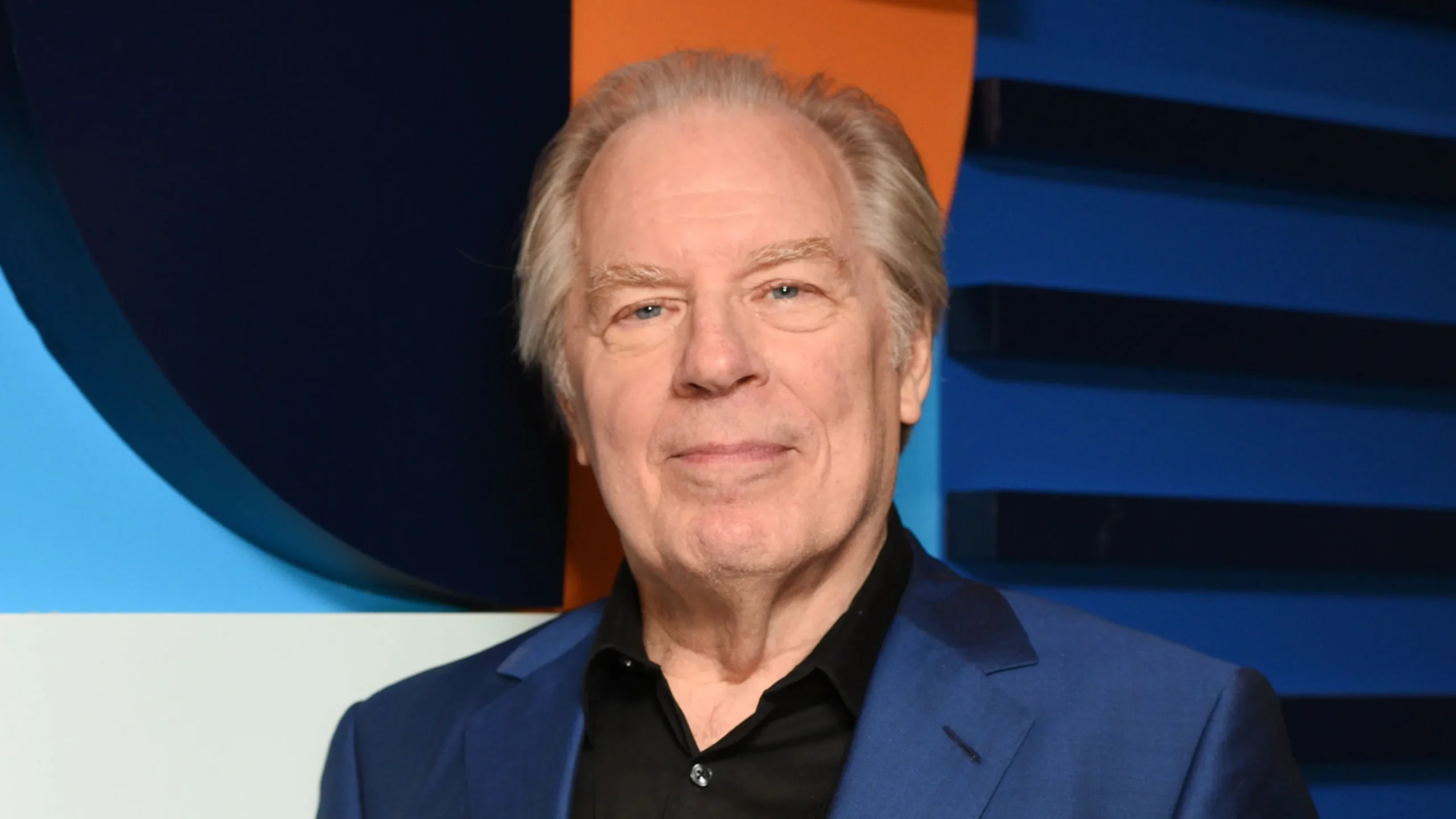
Michael John McKean is a well-known American actor, comedian, screenwriter, composer, and musician who has made a significant impact in the world of entertainment. With a career spanning decades, McKean has garnered respect and admiration for his diverse talents and remarkable ability to engage audiences. In this article, we will explore McKean’s early life, his journey into the entertainment world, his major achievements, and the legacy he has left behind.
Early Life and Background
Michael McKean was born on October 17, 1947, in New York City. Growing up in a vibrant, bustling environment, McKean was exposed to the world of performing arts at an early age. His father, a medical professional, and his mother, a piano teacher, both encouraged creativity, which undoubtedly played a role in McKean’s eventual decision to pursue a career in entertainment.
After completing his schooling, McKean attended the prestigious Carnegie Mellon University in Pittsburgh, where he studied theater. It was here that he honed his acting skills and developed a passion for comedy. The university’s rigorous program helped him refine his craft and laid the foundation for his successful career. McKean’s love for both the stage and screen would eventually take him to places he never expected.
A Rising Star in Comedy and Acting
McKean’s career in entertainment took off in the 1970s. He was initially drawn to the comedy scene, where his sharp wit and timing helped him stand out. In 1976, McKean joined the cast of Laverne & Shirley, a popular sitcom that was part of the television network ABC’s prime-time lineup. His portrayal of the character Lenny Kosnowski, a lovable yet dim-witted mechanic, became an iconic part of the series. His comedic chemistry with co-star David Lander, who played Squiggy, created one of the most beloved duos in television history.
In addition to acting, McKean’s career expanded into the world of comedy. He became a member of the famous comedy troupe “The Credibility Gap,” known for its satirical performances. The troupe’s unique blend of humor and sharp commentary caught the attention of audiences and allowed McKean to flex his comedic muscles even further.
Transitioning to Film and Music
Although McKean initially gained fame through television, his talents weren’t limited to the small screen. In the 1980s, McKean successfully transitioned to the world of film. One of his most memorable roles came in the 1984 mockumentary This Is Spinal Tap. The film, directed by Rob Reiner, is a comedy classic, and McKean played the role of David St. Hubbins, the lead singer of a fictional rock band. His performance was praised for its perfect blend of satire and absurdity, and the film’s cult following only grew in the years that followed.
In addition to acting, McKean also demonstrated his musical abilities. He was part of the band “Spinal Tap,” and this experience opened the door for him to pursue music outside of acting. Over the years, McKean has contributed to various musical projects, and his musical background continues to be an integral part of his professional identity.
Major Achievements and Recognition
Michael McKean’s career boasts a wealth of achievements, ranging from television to film to music. In addition to his iconic role on Laverne & Shirley and This Is Spinal Tap, McKean has had an impressive run of success in both television and film. He starred in several other successful television series, including Better Call Saul, where he played the role of Chuck McGill. His performance as the morally conflicted lawyer earned him widespread critical acclaim and a nomination for the Primetime Emmy Award.
In film, McKean’s versatility continued to shine. He appeared in films like Clue (1985), Planes Trains and Automobiles (1987), A Mighty Wind (2003), and The Brady Bunch Movie (1995). McKean’s ability to bring depth to a variety of characters, from dramatic to comedic, only added to his stature as an actor.
Notably, McKean’s career has been distinguished by his collaborations with other legends in the industry. His relationship with director Rob Reiner, which began with This Is Spinal Tap, led to further collaborations on films like The Princess Bride (1987) and When Harry Met Sally (1989), where McKean appeared in supporting roles.
Beyond his film and television credits, McKean’s talents as a screenwriter and composer have earned him recognition as a multi-faceted entertainer. His contributions to the music industry, particularly his work with Spinal Tap, have cemented his legacy as both an actor and musician.
Legacy and Lasting Impact
Throughout his career, Michael McKean has demonstrated a remarkable ability to reinvent himself. From his early days in comedy to his successful transition into more serious roles, McKean has proven himself to be a versatile performer, consistently drawing praise for his craft.
His legacy lies not only in his contributions to comedy and film but also in his ability to influence future generations of entertainers. McKean’s work in Spinal Tap has had a profound impact on the music and film industries, with many citing the film as an inspiration. His role in Better Call Saul is another example of how McKean has continued to push boundaries and explore new, nuanced characters in his later years.
McKean has influenced many young comedians, actors, and musicians who admire his range, dedication to his craft, and unique sense of humor. His ability to adapt and evolve over the decades speaks to his resilience and creativity, ensuring that his influence will continue for years to come.
Conclusion
Michael McKean is a true testament to the power of versatility and passion in entertainment. From his early comedic roles on television to his memorable performances in iconic films like This Is Spinal Tap and Better Call Saul, McKean’s career has left an indelible mark on the entertainment industry. His accomplishments as an actor, comedian, screenwriter, musician, and composer demonstrate his ability to seamlessly blend talent across multiple mediums.
As we look back at his career, it is clear that Michael McKean’s legacy will continue to inspire both audiences and future generations of performers. His work remains a testament to the power of creativity and the endless possibilities that await anyone willing to explore and embrace their talents.