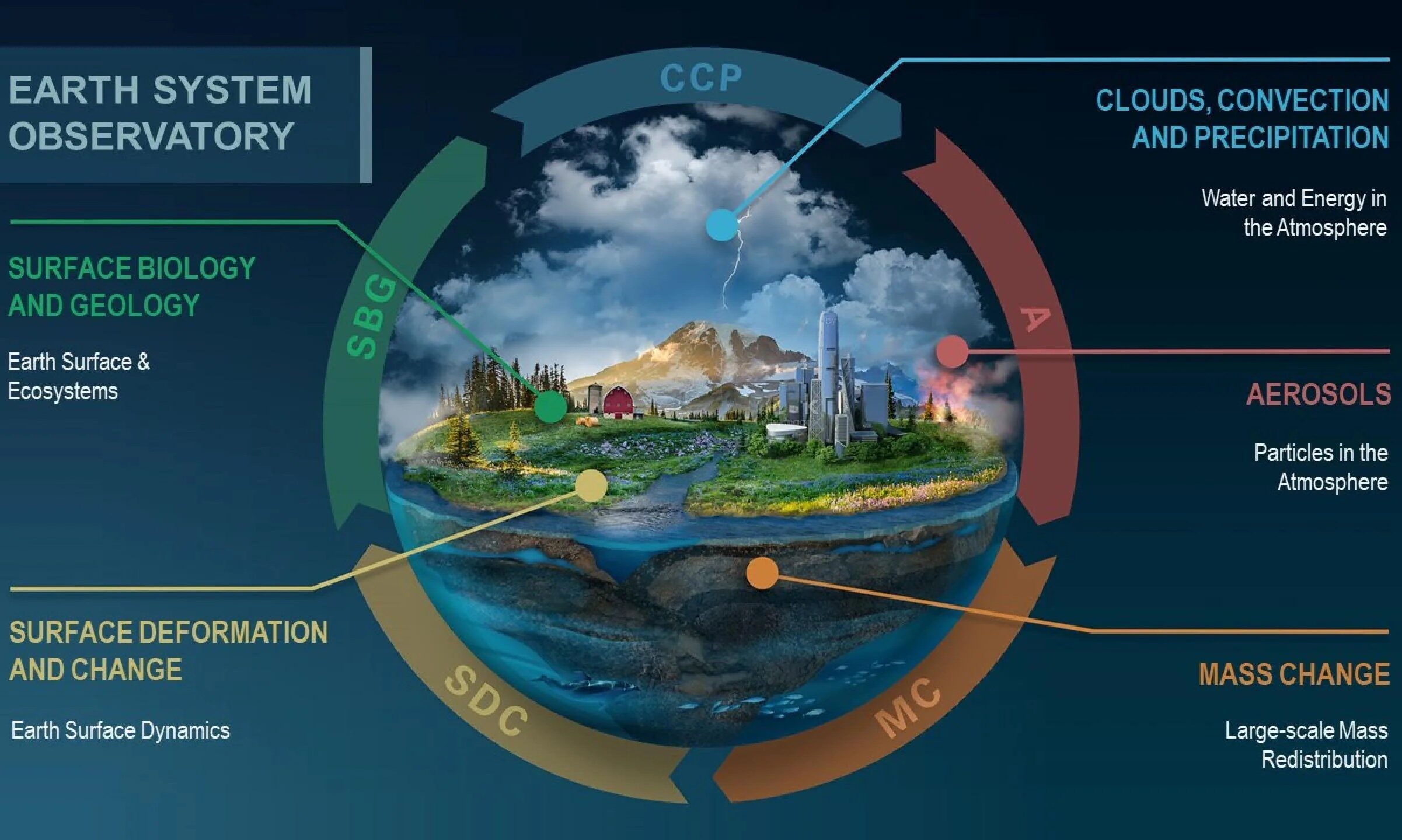
Earth is a remarkable planet with a complex system that supports life in countless ways. Studying Earth is essential to understanding not only how it works but also how humans interact with it. Earth science topics cover a wide range of subjects, from the rocks beneath our feet to the atmosphere above our heads and the water that flows across the surface. By examining these subjects, scientists can better predict natural events, manage resources, and protect the environment. This article explores the main fields of Earth sciences, their importance, and some notable figures who have contributed to our understanding of the planet.
What Are Earth Sciences?
Earth sciences, also called geosciences, are the study of the Earth’s physical characteristics and the processes that shape it. This field examines the solid Earth, the waters that cover it, and the air that surrounds it. Essentially, Earth sciences attempt to understand how the planet functions as a system, including its past, present, and possible future. Researchers in this field observe, describe, and classify natural features, such as mountains, rivers, oceans, and weather patterns. By doing so, they generate explanations for how these features formed and how they change over time. This knowledge helps humanity prepare for natural disasters, find natural resources, and understand climate change.
Earth sciences are divided into several broad areas, each focusing on specific aspects of the planet.
Geology: The Study of Rocks and Earth’s Structure
Geology is one of the primary fields in Earth sciences. It deals with the composition, structure, and history of the solid Earth. Geologists examine rocks, minerals, and landforms to understand processes such as mountain formation, volcanic activity, and earthquakes. Studying the layers of rock can also provide insight into Earth’s history, including past climates, mass extinctions, and the movement of continents. Geology has practical applications as well. It helps identify locations for mining resources, manage land for construction, and assess natural hazards.
Hydrology: Understanding Water on Earth
Water is essential for life, and hydrology focuses on the movement, distribution, and quality of water on Earth. Hydrologists study rivers, lakes, groundwater, glaciers, and even rainfall patterns. By understanding how water flows and is stored in different parts of the planet, scientists can predict floods, manage water supplies, and plan for droughts. Hydrology is also vital for understanding human impacts on water systems, such as pollution and climate change. This knowledge guides the development of sustainable water management strategies.
Atmospheric Science: Studying the Air Around Us
Atmospheric science deals with the Earth’s atmosphere and the processes that influence weather and climate. Meteorology, a subfield of atmospheric science, focuses on predicting daily weather, while climatology studies long-term climate patterns. Scientists in this area analyze data from weather stations, satellites, and computer models to understand how the atmosphere behaves. Their work helps societies prepare for storms, hurricanes, and other weather-related events. Understanding the atmosphere is also critical for addressing global issues like climate change and air pollution.
Oceanography: Exploring the World’s Oceans
Oceans cover more than 70% of Earth’s surface, and oceanography studies the physical, chemical, and biological aspects of these vast bodies of water. Oceanographers examine currents, tides, marine ecosystems, and the ocean floor. They investigate phenomena such as El Niño, sea level rise, and ocean acidification. The oceans play a crucial role in regulating Earth’s climate and supporting biodiversity. Understanding the oceans allows humans to manage fisheries, protect marine life, and monitor changes that could impact global weather and climate systems.
The Goals of Earth Science
The broad aim of Earth sciences is to understand the present features and past evolution of Earth and to use this knowledge for the benefit of humankind. Earth scientists are concerned with observing, describing, and classifying the features of the planet. They generate hypotheses to explain these features and develop methods to test competing ideas. This rigorous scientific approach allows the most accurate and lasting explanations to emerge. By studying Earth systematically, scientists help society make informed decisions about natural hazards, resource management, and environmental protection.
One of the most valuable contributions of Earth science is predicting natural disasters. Earthquakes, volcanic eruptions, hurricanes, and floods are inevitable, but by understanding the processes behind them, scientists can provide early warnings. This knowledge saves lives and reduces property damage. Earth sciences also guide the discovery and responsible use of natural resources such as minerals, fossil fuels, and freshwater.
Early Pioneers in Earth Science
The study of Earth has a rich history, shaped by many remarkable individuals. One notable figure is James Hutton, often called the “Father of Modern Geology.” Born in 1726 in Scotland, Hutton’s work emphasized the idea that Earth was shaped by slow, continuous processes over long periods. This concept, known as uniformitarianism, challenged earlier beliefs that Earth’s features were formed by sudden, catastrophic events. Hutton’s observations of rock formations and soil layers laid the foundation for modern geology.
Another influential figure is Alfred Wegener, a German meteorologist and geophysicist born in 1880. Wegener is best known for his theory of continental drift, which proposed that continents slowly move across Earth’s surface. Although controversial during his lifetime, his ideas eventually led to the development of plate tectonics, a central concept in Earth sciences today.
In hydrology, pioneers like Robert Horton contributed significantly to understanding water flow and erosion processes. In atmospheric sciences, scientists such as Vilhelm Bjerknes and Carl-Gustaf Rossby advanced meteorology and the study of weather patterns. These early contributions set the stage for modern Earth science, enabling the development of more precise tools, models, and techniques.
Achievements and Modern Applications
Today, Earth scientists continue to make discoveries that improve our understanding of the planet. Satellite technology allows for the monitoring of climate, earthquakes, and ocean currents in real time. Computer modeling enables researchers to simulate natural processes and predict future changes. For example, scientists can forecast hurricane paths, model glacier melting, or project the impact of rising sea levels on coastal cities. These tools are crucial for planning, conservation, and disaster response.
Earth science also plays a critical role in environmental protection. Understanding ecosystems, soil quality, water resources, and atmospheric composition helps policymakers develop sustainable practices. For instance, by analyzing pollution patterns, scientists can advise on ways to reduce emissions and protect public health. Additionally, Earth sciences inform energy development, including the exploration of geothermal, wind, and solar resources.
Legacy and Importance
The legacy of Earth science is vast. It has not only expanded human knowledge but also provided practical benefits that affect daily life. From predicting natural hazards to guiding the responsible use of resources, Earth sciences have tangible impacts on society. The study of Earth fosters curiosity, critical thinking, and a deeper appreciation of our planet. It emphasizes that humans are part of a dynamic system, interconnected with land, water, air, and life itself.
By educating new generations of Earth scientists, society ensures that this legacy continues. Schools, universities, and research institutions encourage students to explore geology, hydrology, atmospheric science, and oceanography. These young scientists are poised to tackle challenges such as climate change, natural disasters, and resource management. Their work will contribute to a safer, more sustainable world.
Conclusion
Earth science topics encompass a wide range of studies that help us understand the planet we call home. From the rocks beneath our feet to the oceans that cover most of the surface and the atmosphere that surrounds us, Earth sciences provide insight into how the planet functions. By studying these subjects, scientists can predict natural events, manage resources, and guide policies for environmental protection. The contributions of early pioneers, combined with modern technology, continue to advance our knowledge. As we face the challenges of the twenty-first century, Earth sciences remain essential for understanding and protecting our world. Through observation, classification, and thoughtful analysis, Earth scientists help humanity thrive while respecting the delicate balance of nature.